| Research |
 |
Location:Home > Research > Research Progress |
| Yellow River Delta Wetland Station reveals how seasonal drought weakens soil carbon sequestration in coastal wetlands |
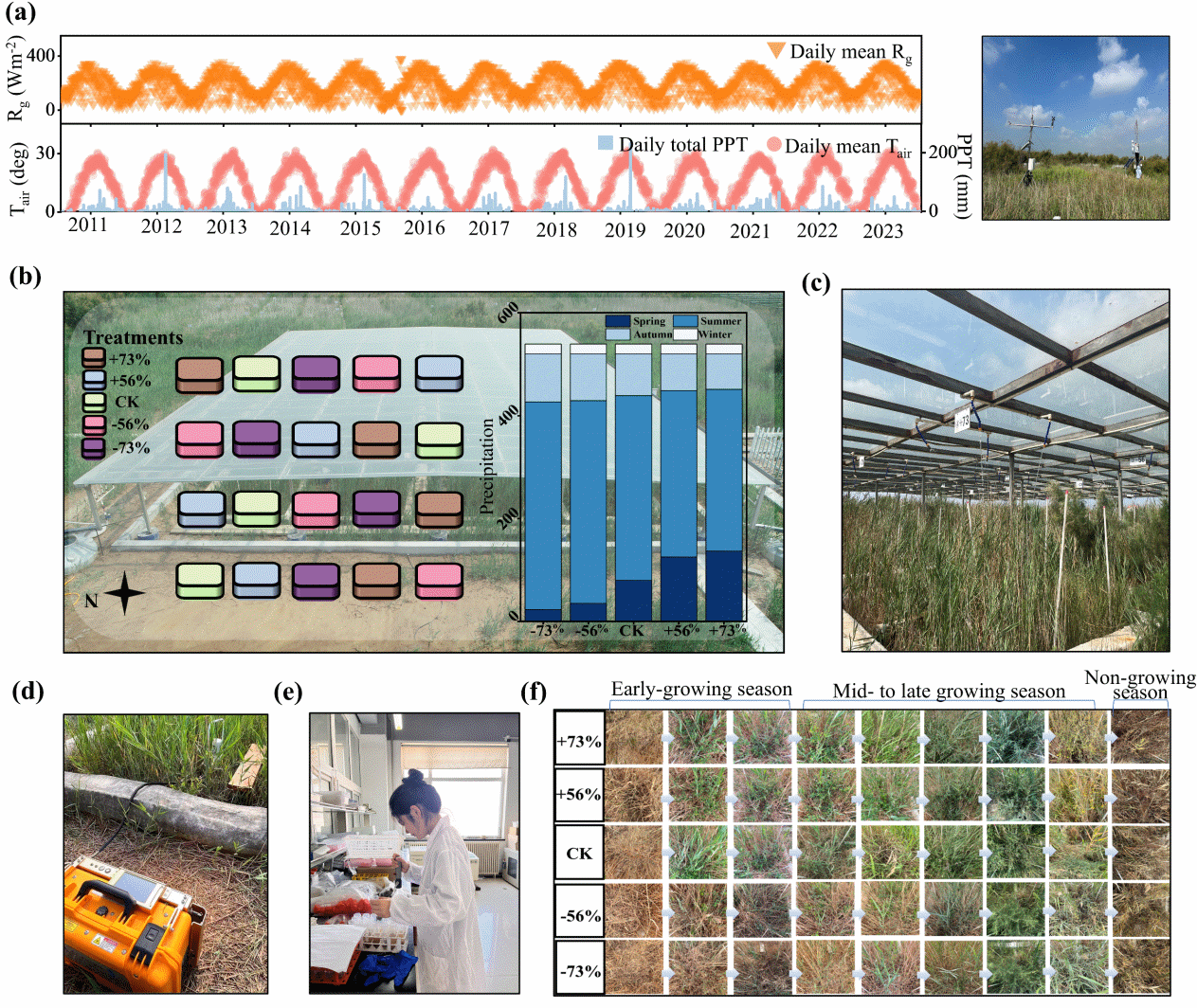
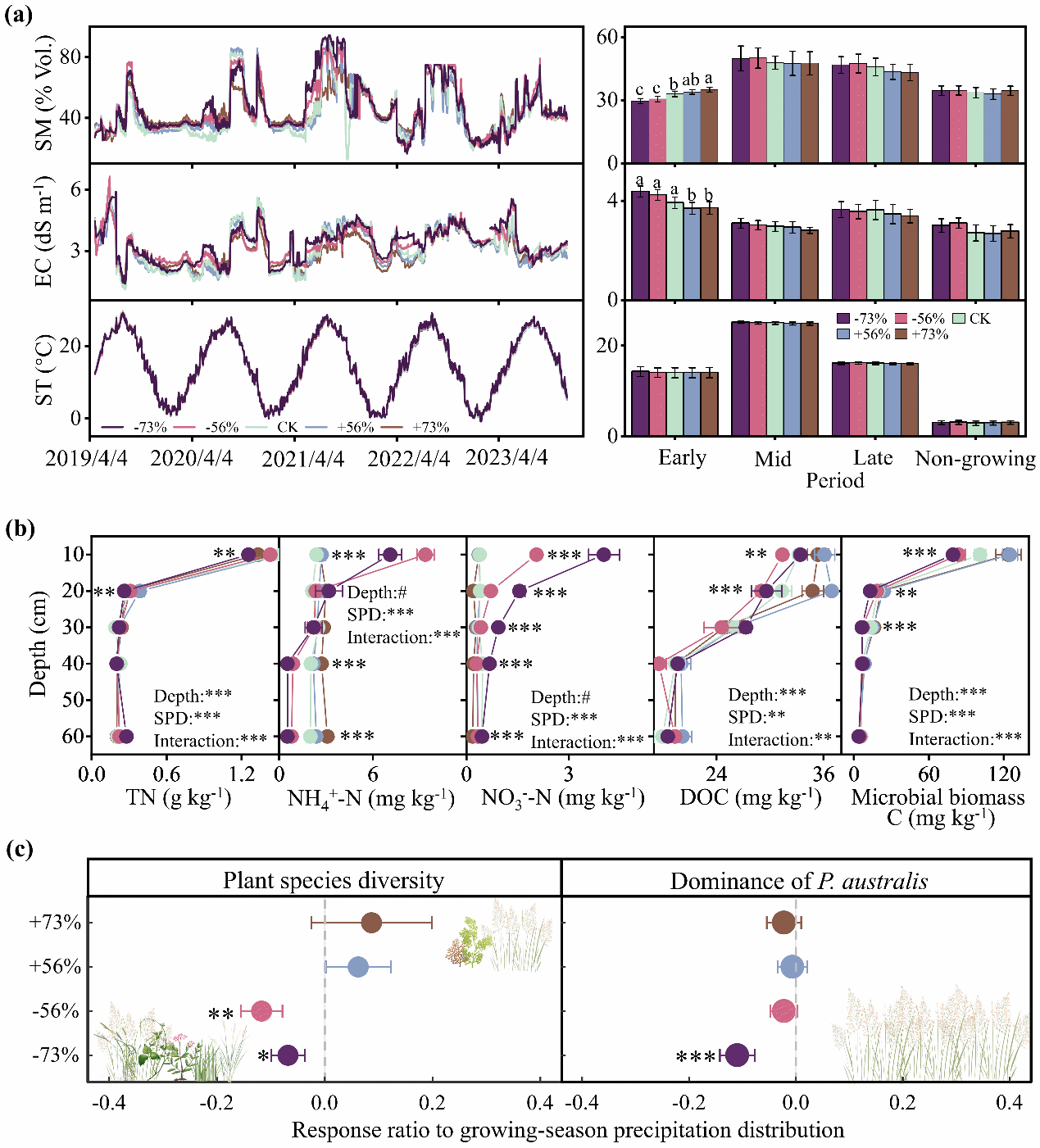
Coastal wetlands are globally important “blue carbon” ecosystems, with soil carbon accumulation rates and long-term storage capacities far exceeding those of many terrestrial forests. They play a crucial role in maintaining the global carbon balance and mitigating climate change. However, climate change is making rainfall patterns increasingly uneven, with more concentrated rainy seasons and more frequent dry periods. How such shifts in rainfall timing regulate carbon storage in coastal wetlands has long lacked systematic experimental evidence. Based on the Growing-Season Precipitation Distribution Manipulation Experiment established in 2019 at the Yellow River Delta Field Observation and Research Station of Coastal Wetland Ecosystem, the research team systematically monitored changes in soil water–salt conditions, plant community dynamics, root biomass, heterotrophic respiration, and different soil organic carbon (SOC) fractions to examine how seasonal precipitation redistribution affects wetland soil carbon sequestration (Figure 1). The results showed that shifts in early-growing season rainfall substantially altered wetland carbon sequestration. Early-season drought reduced soil organic carbon in the 0–30 cm topsoil by 9%–13%, whereas additional early-season rainfall did not produce a significant carbon gain. Further analysis showed that drought increased soil salinity, reduced the dominance of Phragmites australis and plant species diversity, and suppressed both coarse- and fine-root biomass, thereby weakening a key pathway for transferring plant carbon into the soil (Figure 2).
Figure 1. Environmental setting and experimental design of seasonal rainfall manipulation
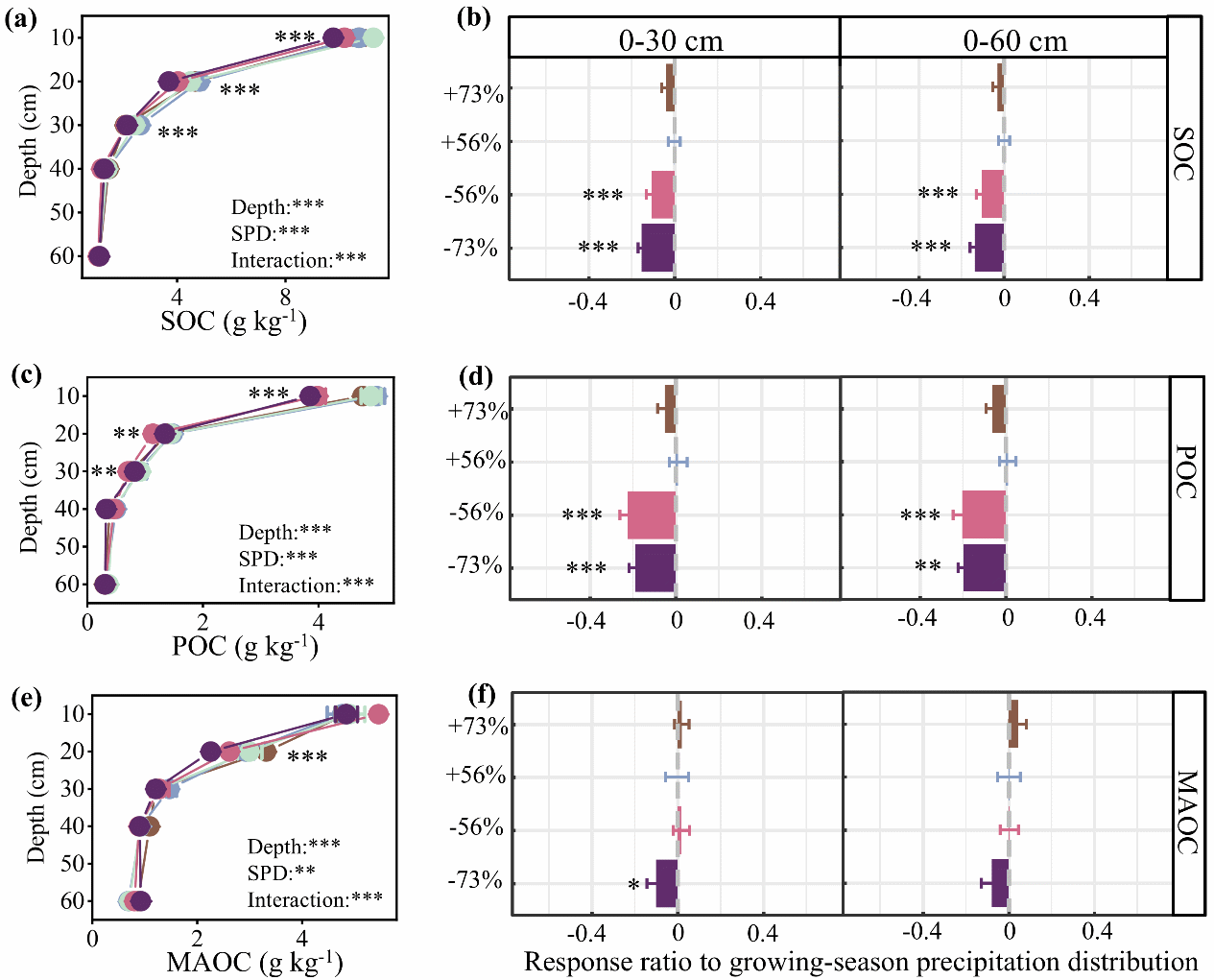
Figure 2. Soil and vegetation responses to seasonal precipitation redistribution In terms of soil carbon fractions, early-season drought had the strongest effect on the more active particulate organic carbon pool, which declined by 17%–20%. By comparison, mineral-associated organic carbon showed greater resistance and declined only under the strongest drought treatment in specific soil layers (Figure 3). These results indicate that the observed loss of soil carbon was mainly driven by limited carbon inputs, rather than by a rapid collapse of existing soil carbon stocks through accelerated decomposition.
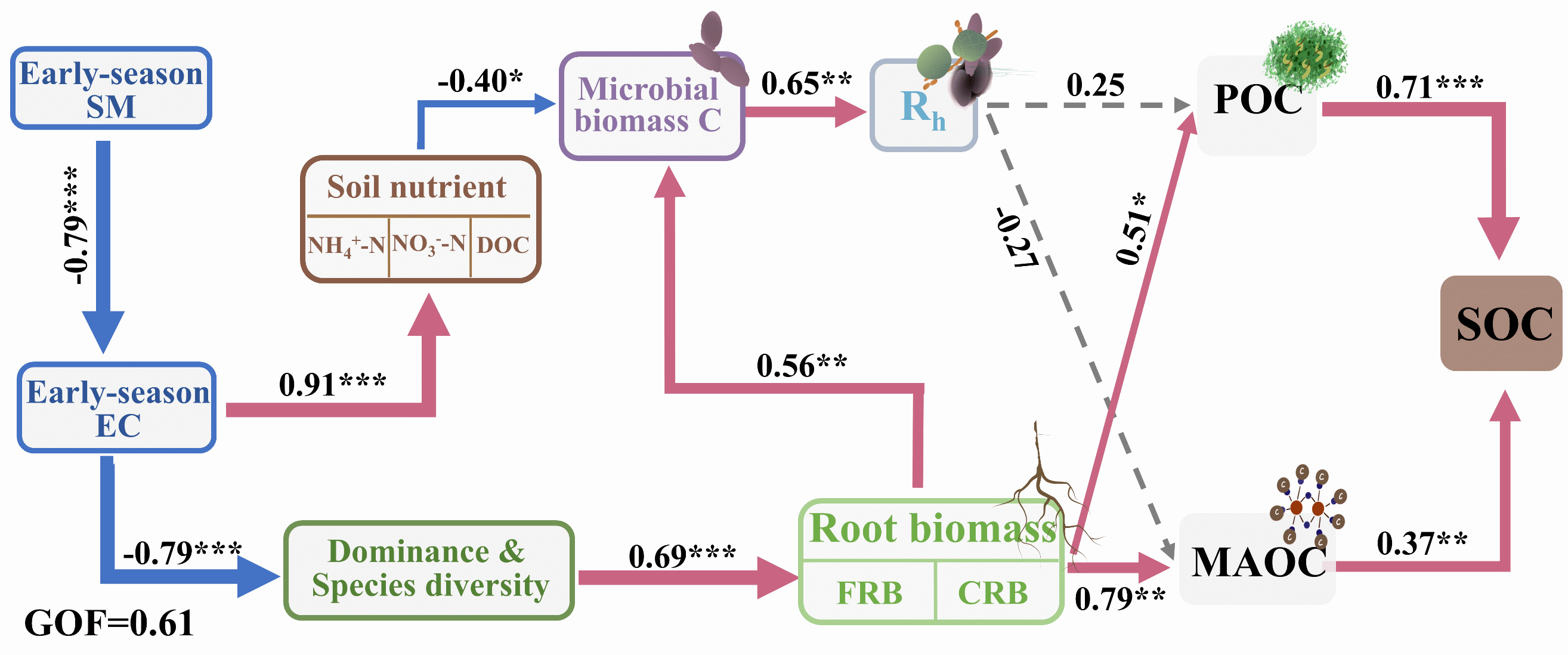
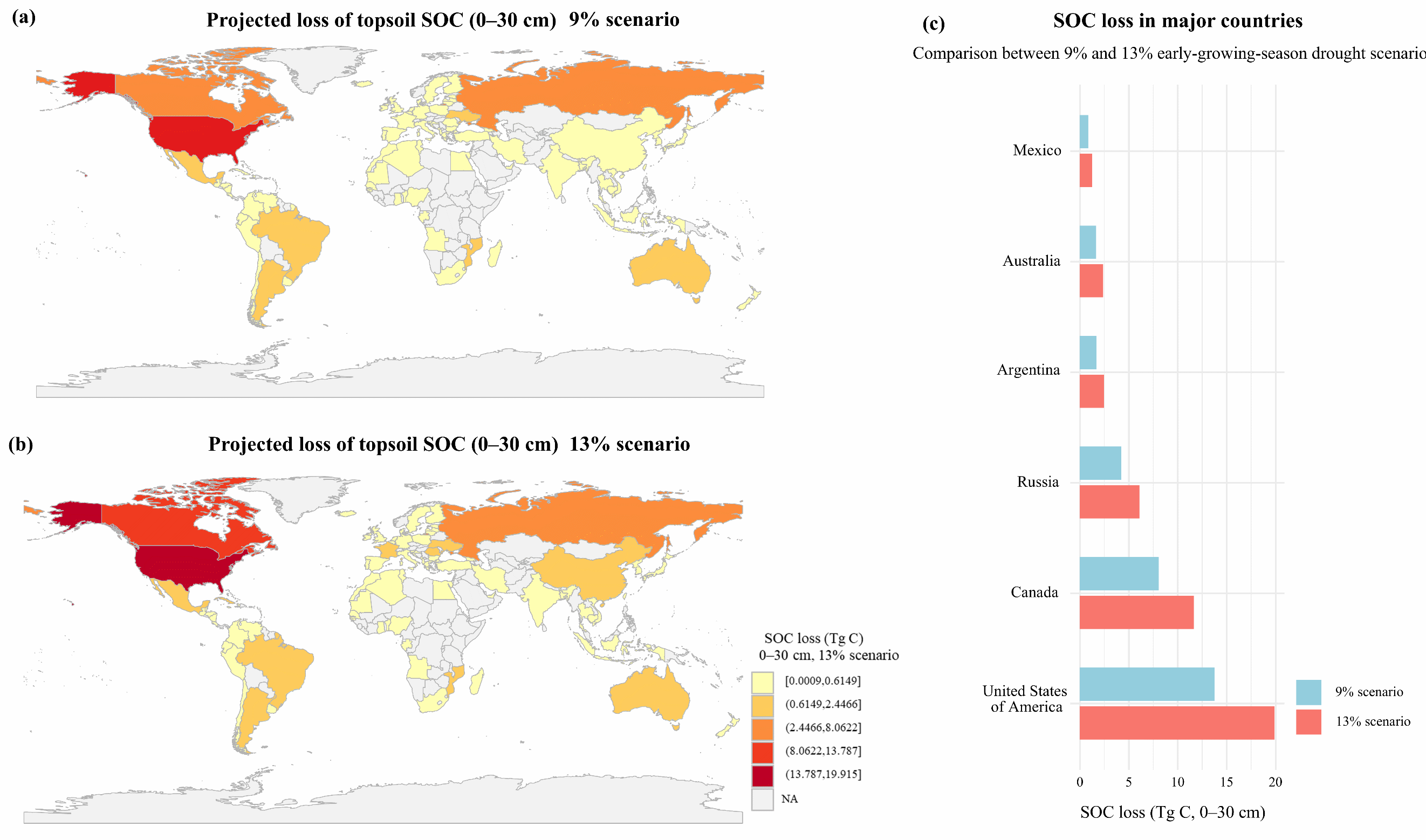
Figure 3. Effects of seasonal precipitation redistribution on soil carbon pools Using partial least squares path modelling, the research team further clarified the regulatory pathways linking rainfall timing, soil salinity, plant community change, root biomass, and soil carbon fractions (Figure 4). The experimental findings were then scaled to the global level. The assessment suggested that seasonal drought could put 41–59 Tg C of topsoil organic carbon in global coastal wetlands at risk, equivalent to approximately 150–216 Mt CO₂. The largest potential losses were projected for countries with extensive coastal wetlands and high soil carbon stocks, including the United States, Canada, and Russia. In China, the potential carbon loss was estimated at 0.60–0.87 Tg C (Figure 5).
Figure 4. Pathways through which precipitation redistribution regulates soil carbon sequestration Figure 5. Global carbon-loss risk under seasonal drought This study highlights rainfall timing as a key factor controlling the carbon-sink function of coastal wetlands. Future wetland conservation and management should pay closer attention to freshwater regulation and vegetation community management, while seasonal changes in precipitation should be incorporated into global carbon-cycle assessments. The study, entitled “Seasonal Drought Reduces Carbon Sequestration in Coastal Wetlands,” was published in Global Change Biology. It was supported by the National Key Research and Development Program of China, the National Natural Science Foundation of China, and the Natural Science Foundation of Shandong Province. Publication details: Jia, W., Han, G., Macreadie, P. I., Sun, B., Zhang, H., Huang, W., Zhang, X., Zhao, M., Wei, S., Wang, X., Xie, B., Lu, A., Zhang, W., Lu, F., Chu, X. (2026). Seasonal Drought Reduces Carbon Sequestration in Coastal Wetlands. Global Change Biology, 32(4), e70865. |
| Appendix Download |
|
|